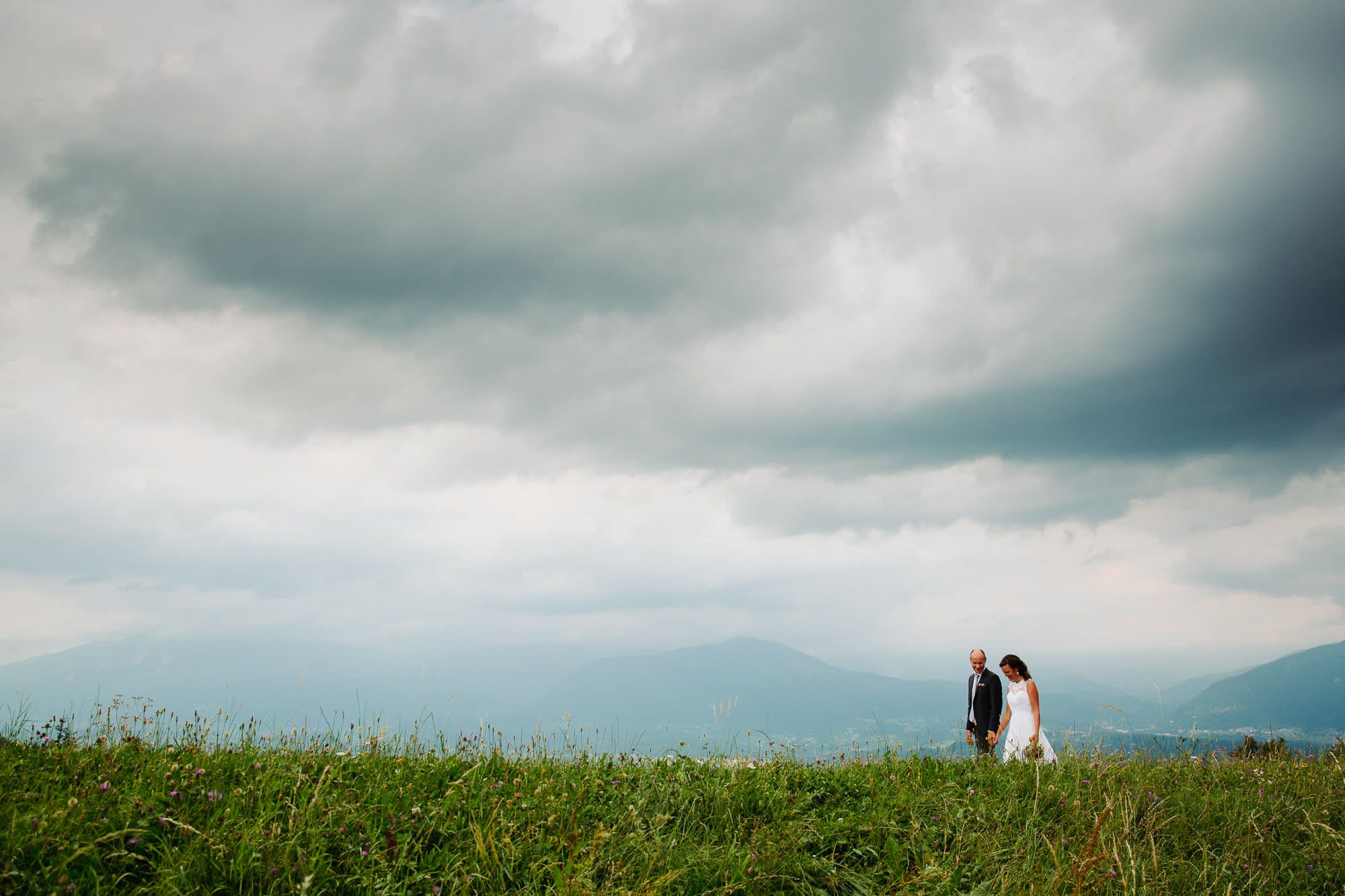
A REFINED APPROACH TO PLANNING
Planning a wedding in Slovenia is not only about choosing a beautiful location — it’s about understanding how the day comes together in practice.
From timing and logistics to photography and flow, the experience is shaped by a series of small decisions that build on each other.
This guide walks you through those decisions step by step — so you can plan your wedding with clarity, avoid common mistakes, and create a day that feels natural and well-balanced.
1. Choose the Right Type of Location
Rather than focusing only on specific places, start by deciding what kind of setting fits your day.
In Slovenia, this usually comes down to a few distinct directions:
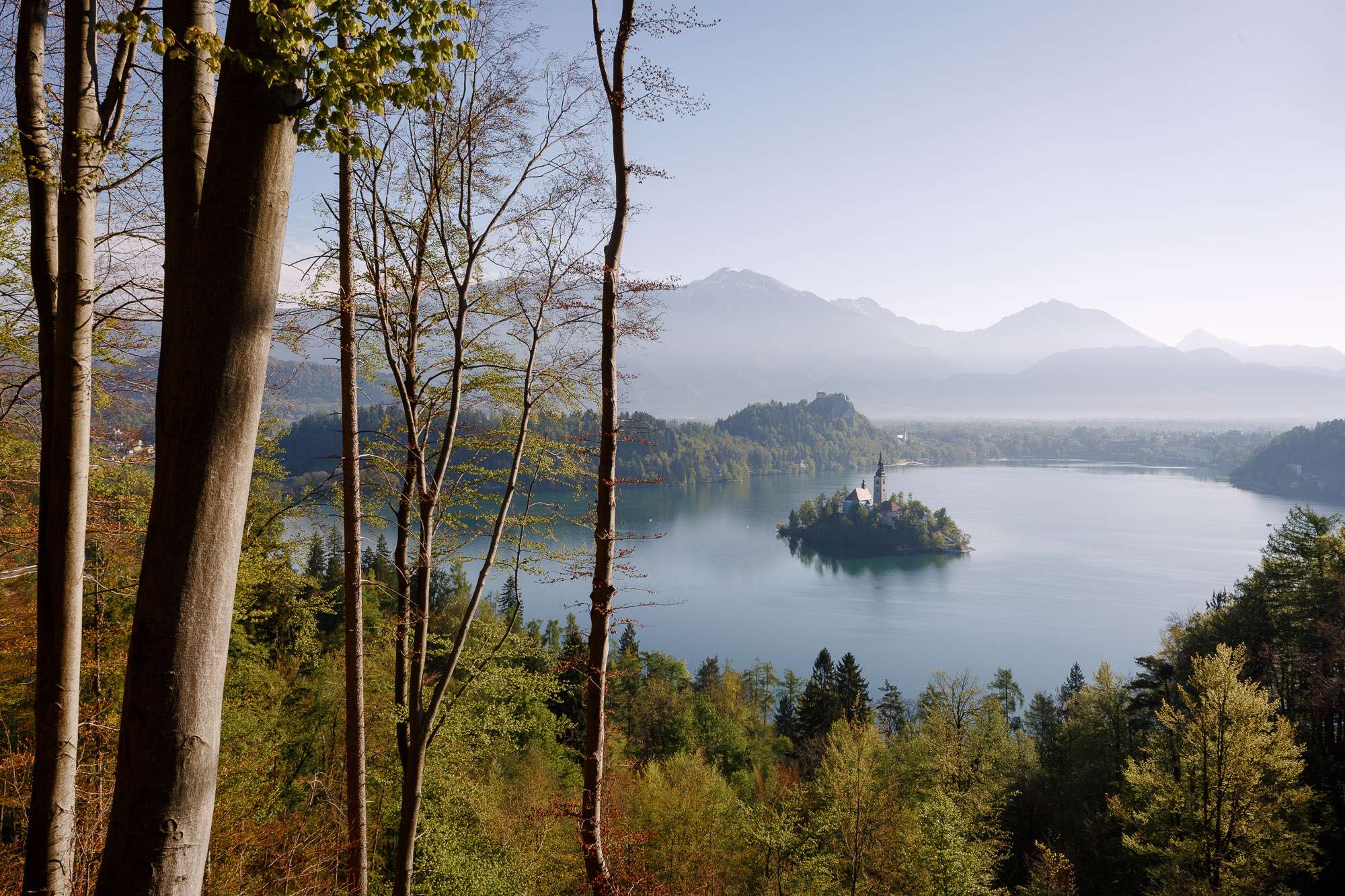
— iconic locations with structured flow (such as Lake Bled)
— city settings with easier logistics (Ljubljana)
— nature-focused locations with more flexibility (Alps, countryside)
Each of these shapes the experience differently — from timing to privacy and overall atmosphere.
If you're still exploring specific venues, you can find a detailed overview here:
2. Choose the Best Time for Your Wedding
The time of year has a strong influence on both atmosphere and logistics.
— Spring offers fresh light and fewer crowds
— Summer brings long days, but also more visitors
— Autumn creates softer tones and a calmer pace
— Winter can feel intimate, but requires more planning
Rather than choosing based only on weather, it helps to consider how each season affects light, movement, and overall flow.
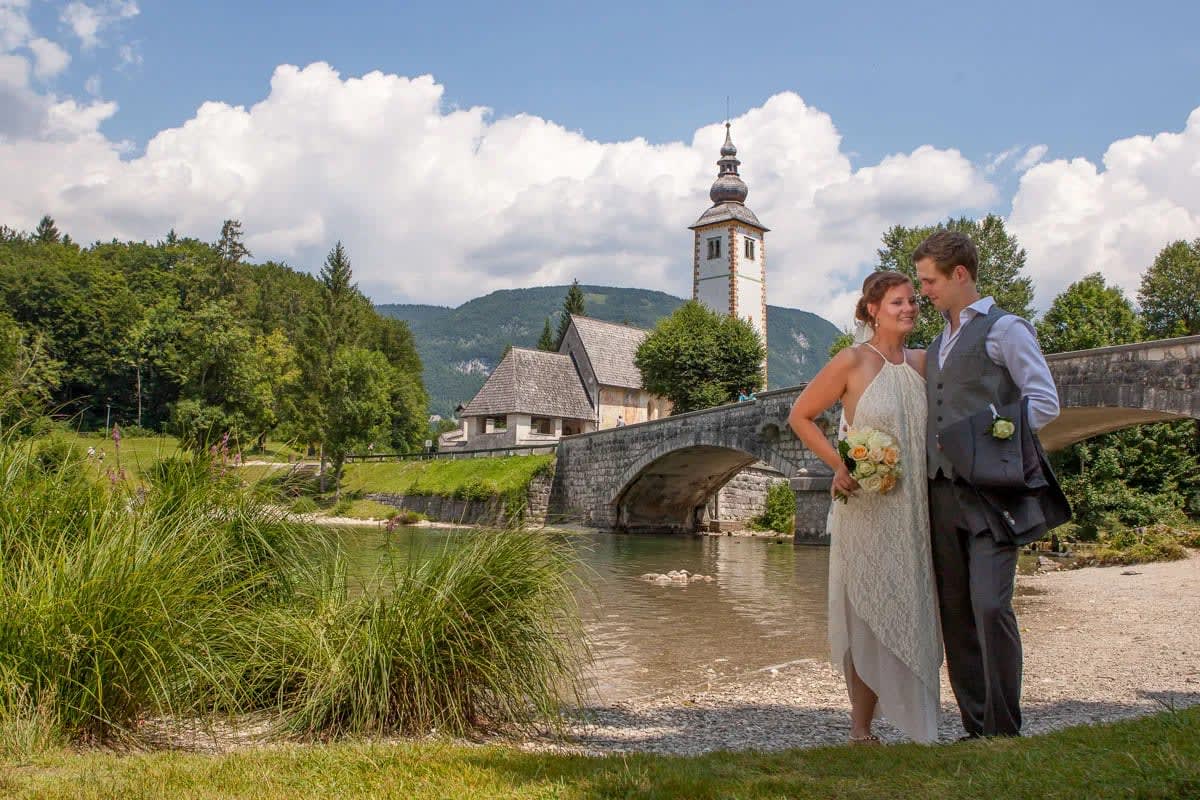
3. Work with a Photographer Who Understands the Location
Photography is not only about capturing moments — it also plays a role in how the day is structured.
An experienced photographer will help you:
— plan timing around the best light
— avoid crowded moments at popular locations
— keep the day flowing naturally
This becomes especially important in places like Lake Bled, where light, timing, and positioning can make a significant difference.
If you're considering Lake Bled, you can explore how photography typically works there:
→ Lake Bled wedding photographer
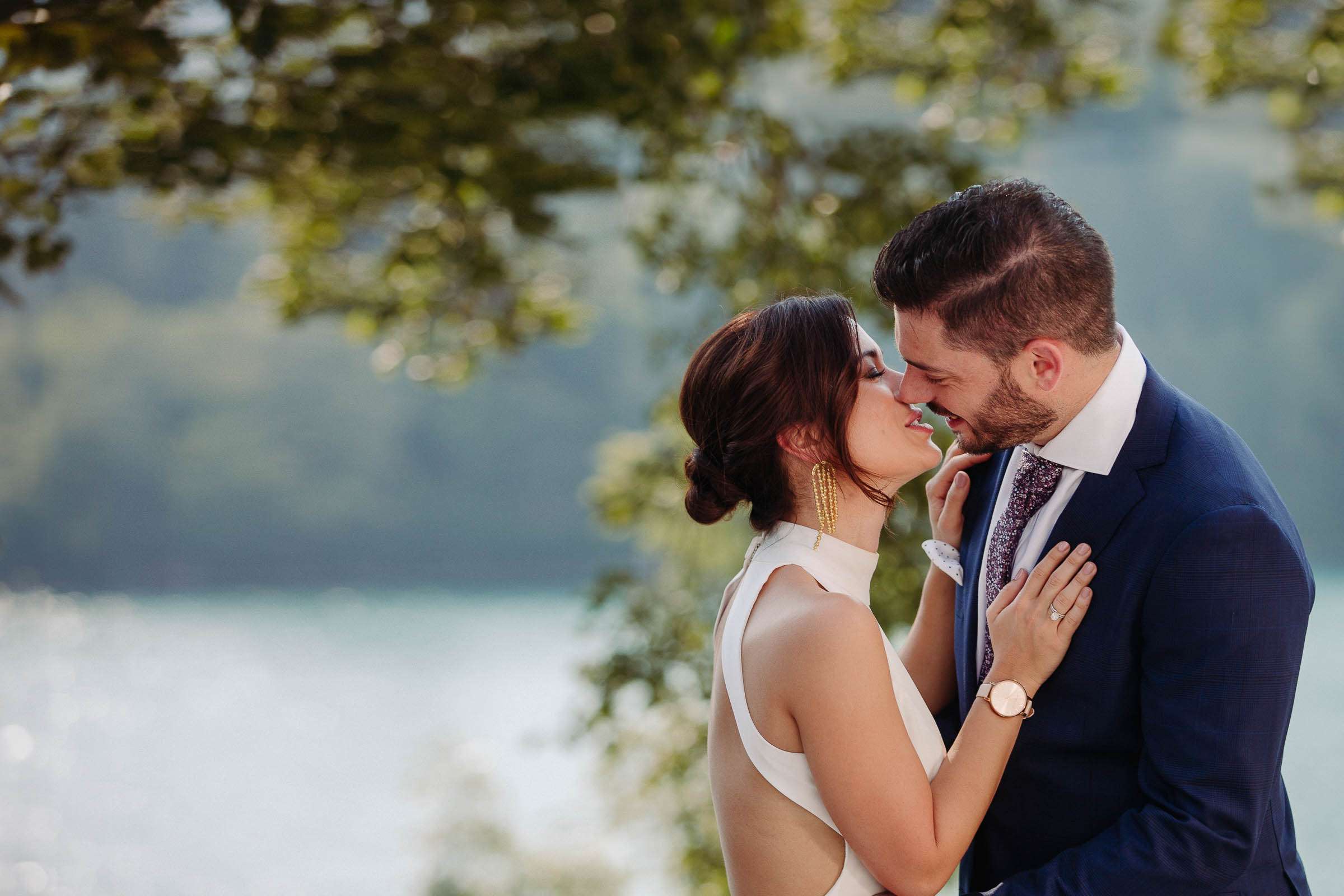
4. Think About Photography Investment in Context
Photography investment varies depending on coverage, experience, and the type of wedding.
Rather than focusing only on price, it helps to consider how photography supports the overall experience — especially in locations where timing and light are essential.
Well-planned photography often contributes to a calmer, more natural day.
5. Define the Style of Your Day
Your wedding style influences many decisions — from location to timing and overall structure.
In Slovenia, this often falls into a few directions:
— relaxed and nature-focused
— structured and elegant
— intimate and minimal
Clarity here makes the rest of the planning process much easier.

6. Understand the Legal Side (or Simplify It)
For international couples, legal requirements can feel complex.
This is why many choose either:
— to work with a local planner
— or to have a symbolic ceremony in Slovenia
Both approaches allow you to focus more on the experience and less on paperwork.
7. Build a Timeline That Supports the Day
A well-structured timeline is one of the most important parts of the planning process.
It helps to:
— allow enough time between locations
— align key moments with the best light
— create space for natural, unplanned moments
A good timeline doesn’t feel rushed — it feels intentional.
8. Consider Local Elements (Without Overcomplicating)
Slovenia offers beautiful traditions, food, and atmosphere — but it’s not necessary to include everything.
A few thoughtful elements are often enough to create a sense of place, without turning the day into a production.
9. Extend the Experience Beyond the Wedding Day
Many couples use Slovenia not only for the wedding, but for a broader experience.
This might include:
— a relaxed gathering before the wedding
— a short trip after the ceremony
— or a simple session in nature
This approach often makes the entire experience feel more complete.e page regarding timing and locations. Remember to build in some quiet moments for you and your partner to soak in the day.
10. Keep the Day Simple and Focused
As the wedding approaches, the most valuable thing is clarity.
— confirm the key elements
— allow some flexibility
— avoid overloading the schedule
In most cases, the best weddings are not the most complex — but the most balanced.
A Calm Next Step
If you're currently planning your wedding and would like some clarity around locations, timing, or how the day can come together — you're very welcome to reach out.
I’m always happy to share honest guidance, especially for weddings around Lake Bled and similar locations.