Working with a Wedding Planner at Lake Bled
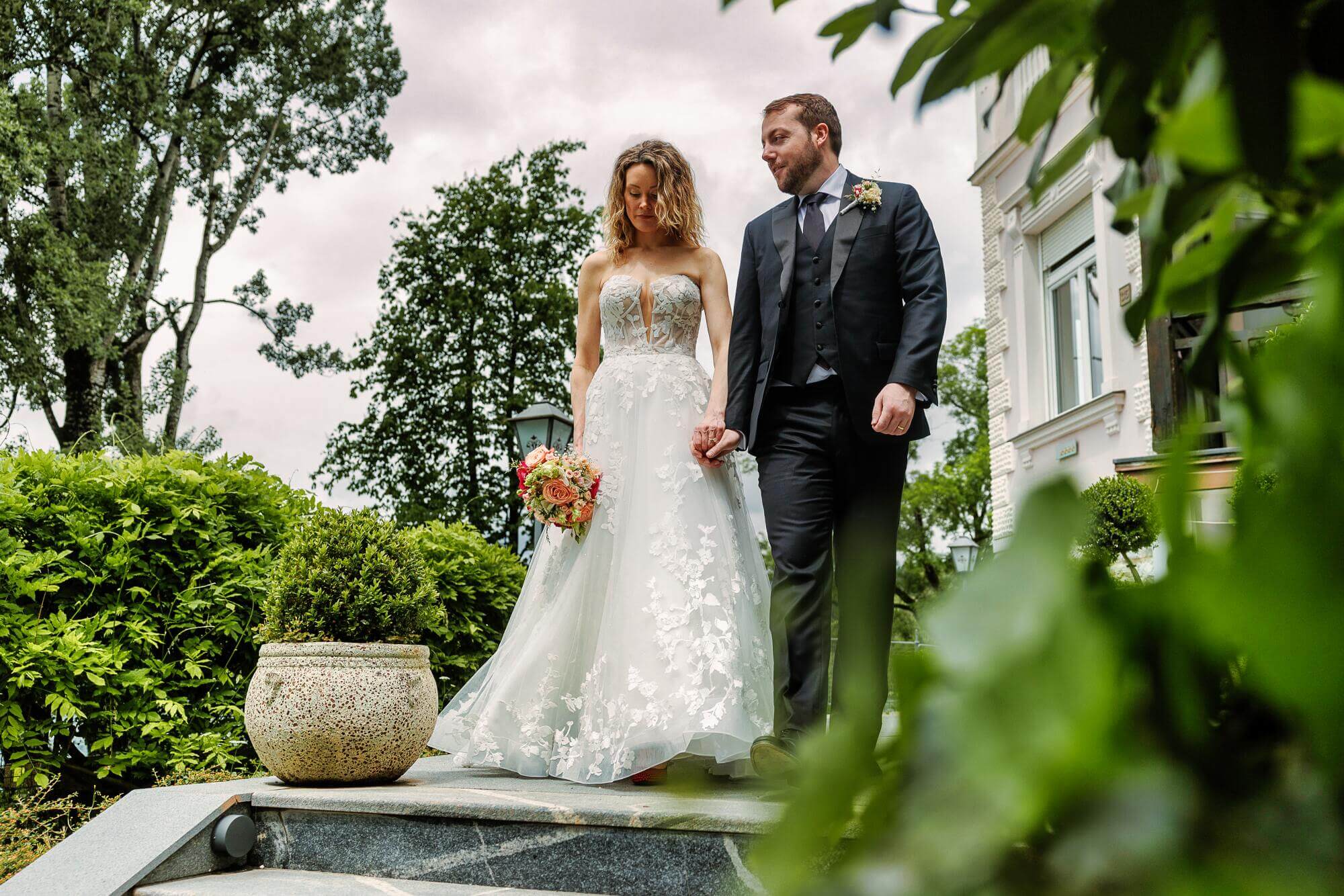
Understanding the role of a wedding planner
Planning a wedding at Lake Bled is exciting, but it can also feel complex — especially if you are organising everything from abroad.
A wedding planner helps bring structure and clarity to that process.
Rather than simply arranging suppliers, a good planner becomes your main point of coordination. They help translate your ideas into a realistic plan, guide you through local specifics, and ensure that everything comes together smoothly on the day itself.
At Lake Bled, where logistics, timing, and location all play an important role, this kind of support can make a meaningful difference to the overall experience.

Why local experience matters at Lake Bled
Lake Bled is a unique location.
It combines natural beauty with practical considerations — limited access points, changing light conditions, seasonal crowds, and specific venue regulations. These details are not always obvious when planning from a distance.
A planner with strong local experience will understand:
- —how different locations behave throughout the day
- —when certain areas are quieter or more crowded
- —how timing affects both the experience and the flow of the wedding
- —which venues are best suited to different types of celebrations
They will also have established relationships with local venues and suppliers, which can simplify communication and help avoid unnecessary complications.
If you are still exploring the overall structure of your day, this may also be helpful:

How planners work with venues and vendors
One of the most valuable roles of a wedding planner is coordination.
At Lake Bled, a wedding day often involves multiple moving parts — venues, transportation, florists, musicians, makeup artists, and sometimes several locations within a single day.
A planner helps bring all of this together.
They communicate with vendors, confirm timelines, and ensure that each part of the day connects naturally with the next. This reduces the need for you to manage details yourself and allows the day to unfold more calmly.
From a photographer’s perspective, this coordination is especially valuable. A well-structured timeline creates space for both the experience and the photography, without the day feeling rushed or overly controlled.
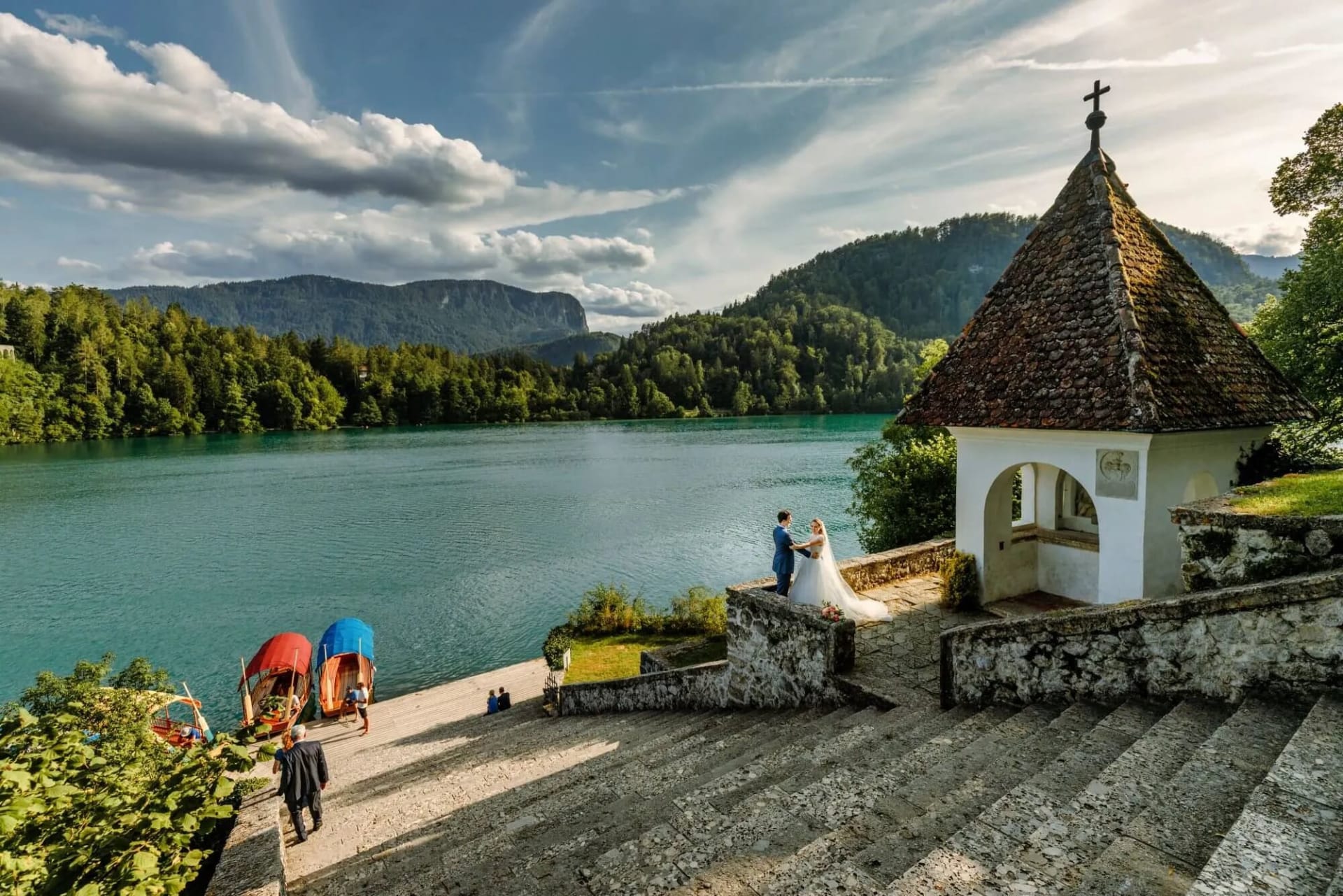
Communication and planning from abroad
Many couples planning a wedding at Lake Bled are doing so from another country.
In this situation, communication becomes essential.
A good planner will:
- —respond clearly and consistently
- —explain local processes in a simple way
- —help bridge any language or cultural differences
- —keep you informed without overwhelming you
This ongoing communication helps build trust, which is important when you are making decisions remotely.

Legal and logistical support
If you are planning a legally recognised wedding in Slovenia, there are administrative steps involved.
These may include:
- —preparing documentation
- —arranging translations
- —coordinating with local authorities
- —understanding timelines and requirements
A planner can guide you through this process and ensure that everything is handled correctly.
For symbolic or smaller weddings, the focus may be less on legal structure and more on creating a smooth, well-organised experience.
Budget clarity and expectations
A planner also helps bring clarity to your budget.
They can outline realistic costs, suggest appropriate vendors, and help you allocate your budget in a way that reflects your priorities.
Transparency is important here. A good planner will explain:
- —how pricing typically works at Lake Bled
- —what is included in different services
- —where flexibility exists
- —where costs are more fixed
This allows you to make decisions with confidence, rather than uncertainty.
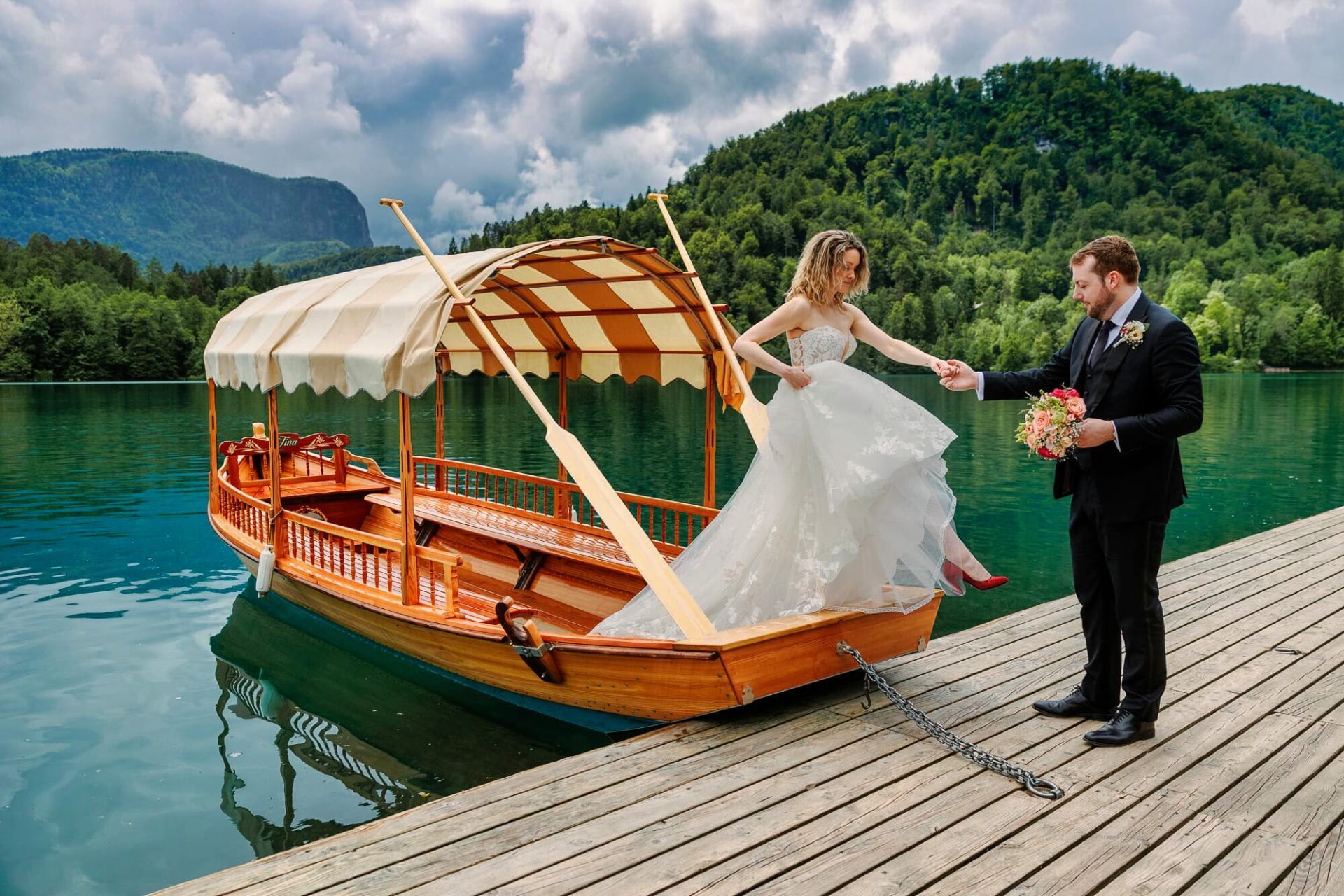
Creativity, flexibility, and problem-solving
Every wedding has its own rhythm.
Even with careful planning, unexpected changes can happen — weather shifts, timing adjustments, or small logistical challenges.
A strong planner brings both creativity and flexibility to these situations.
They are able to adapt, suggest alternatives, and keep the day moving in a calm and controlled way. This often goes unnoticed by guests, but it plays an important role in how the day feels overall.
When a wedding planner is especially valuable
Not every wedding requires the same level of planning support.
A planner is particularly valuable when:
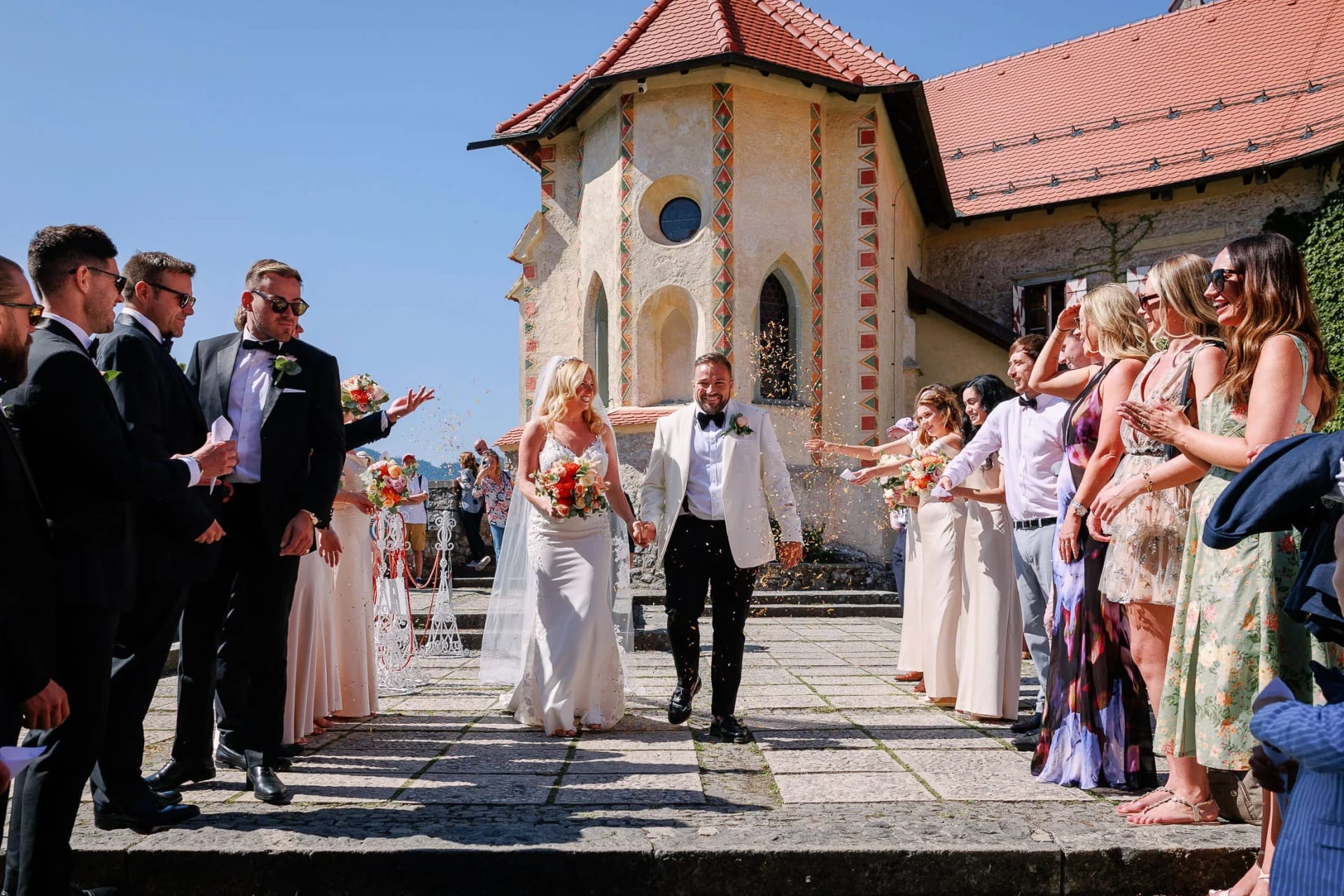
- —the wedding involves multiple locations
- —there are many vendors involved
- —the celebration is larger or more structured
- —you are planning entirely from abroad
- —you prefer to be guided through the process
For smaller or more informal weddings, the level of planning support can vary, depending on the couple’s preferences and the complexity of the day.
A photographer’s perspective
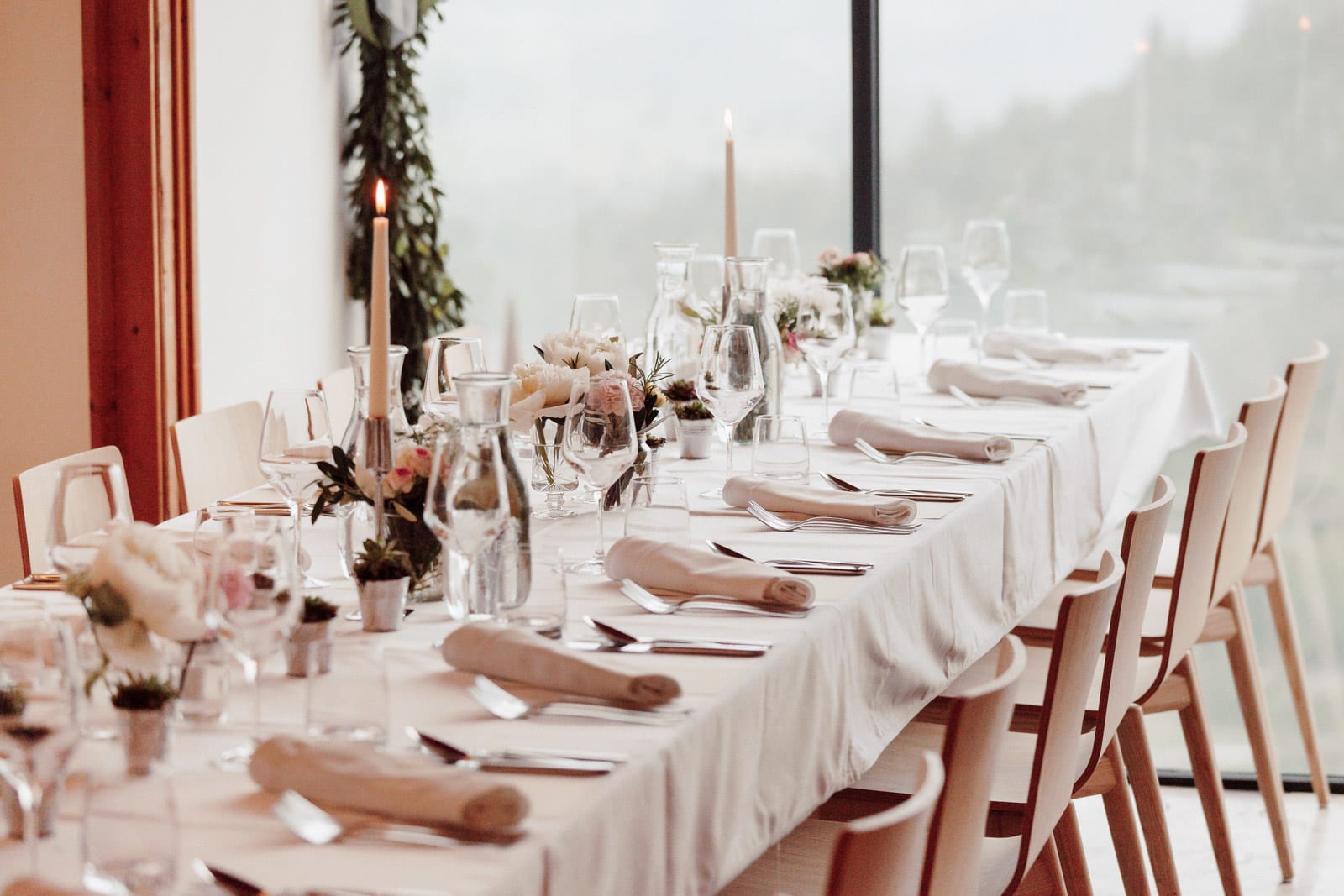
From experience, the presence of a good planner often changes the overall feel of the day.
When planning and coordination are handled well, the timeline becomes more natural, transitions are smoother, and there is more space for genuine moments to unfold.
This creates better conditions not only for the experience itself, but also for the photography.
If you are also thinking about how photography fits into your day at Lake Bled, you can explore that here:
👉Lake Bled Wedding Photographer
For weddings involving multiple vendors or a more structured timeline, a planner often plays a central role in making the day work seamlessly. In those situations, I see my role as working within that structure — focusing on the photography while the planner ensures everything around it flows naturally.
A gentle next step
If you are considering working with a wedding planner, it can be helpful to speak with a few and understand how they approach the process.
The right fit is often less about a checklist, and more about feeling comfortable with how they communicate, how they think, and how they guide you.
And if you are still shaping your overall vision for the day, you may find this a useful starting point: