How to Choose the Right Wedding Photographer in Slovenia
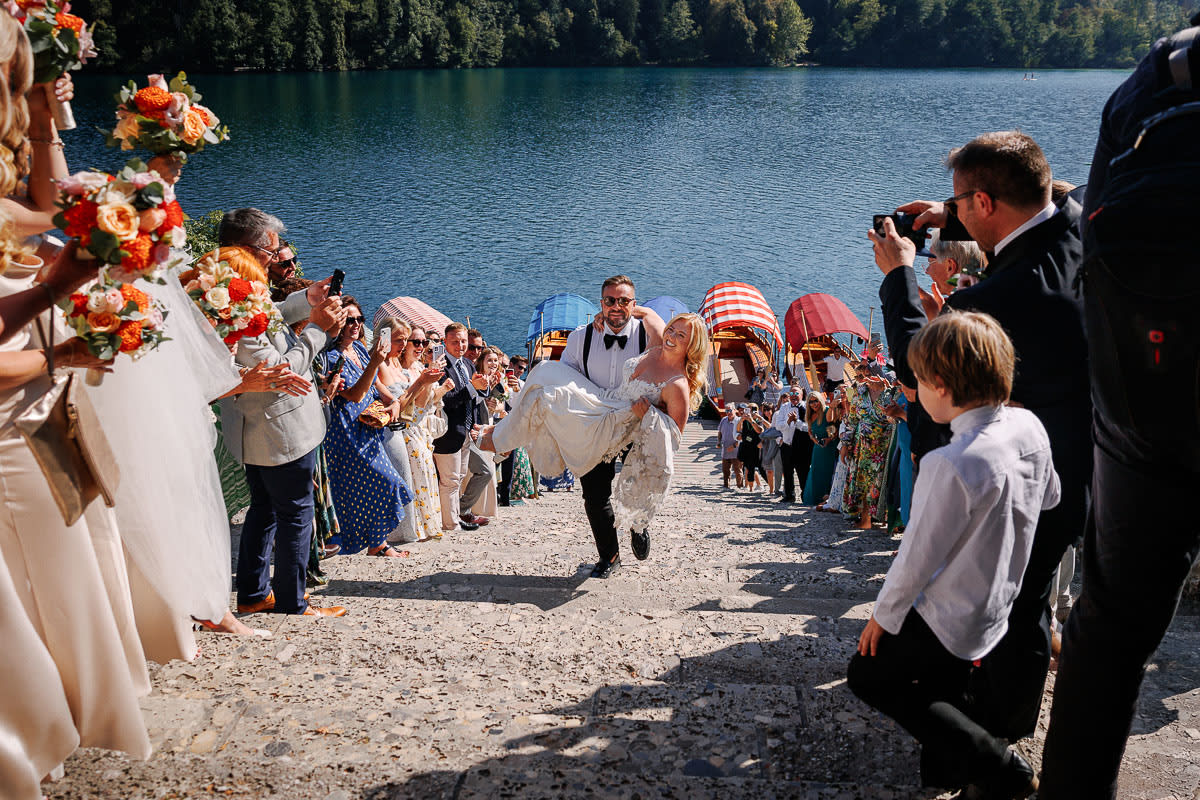
Choosing a wedding photographer in Slovenia is not only about finding images you admire. It is about finding someone whose presence feels right, whose work feels consistent, and whose guidance brings calm to the day.
Look beyond the highlights. Ask to see full galleries. Pay attention to variety, expression, composition, and light. Ask how they think about timing, how they guide, and how they respond when plans shift.
And notice how you feel when speaking with them.
That feeling usually tells you a great deal.
Table of contents:
10 smart questions to ask before you book
Choosing a wedding photographer is about more than liking a portfolio.
You are choosing the person who will stand close to some of the most intimate, emotional, and unrepeatable moments of your day.
The right fit shapes not only how your wedding looks in photographs, but also how the experience feels while it is happening.
Whether you are planning a celebration at Lake Bled, in Ljubljana, or elsewhere in Slovenia, these are the questions worth asking before you book.
If you are still comparing styles and approaches, you may also like to explore my Lake Bled wedding photographer page to get a clearer sense of how I work.

1. Do we feel comfortable with you?
This matters more than many couples realise.
Style, experience, and pricing all matter — but personality compatibility matters just as much. If the connection feels strained, trust is harder to build. And without trust, it becomes harder to relax, be present, and move naturally in front of the camera.
The best wedding photographs are not created by technique alone. They are also shaped by ease, trust, and the feeling that you are in good hands. When couples feel comfortable, their expressions soften, their body language changes, and the whole experience becomes more natural.
2. Can we see full wedding galleries?
A curated portfolio shows the highlights. A full gallery shows the truth.
It reveals how a photographer works through an entire wedding day — across changing light, real emotions, transitions, portraits, family moments, and quiet in-between scenes. That is where consistency becomes visible.
When you review a full gallery, look beyond editing style. Notice the variety of images, the expressions, the composition, and the way light is handled throughout the day. A strong gallery should still feel thoughtful and refined when the weather changes, the timing shifts, or the setting is less than perfect.
If you would like to see how I photograph a full wedding day, you can also browse my wedding photography portfolio to get a broader sense of the storytelling.
3. How would you describe your approach?
Some photographers are very documentary. Others guide more actively. Most move somewhere between the two.
What matters is not choosing the most impressive-sounding approach, but the one that feels right for you. Some couples want gentle direction. Others want more space. Ideally, your photographer should know when to step in and when to let the moment breathe.
Your wedding day should not feel like a long photoshoot. It should feel calm, present, and natural — with guidance when it helps, and freedom when it matters more.

4. Have you photographed weddings in Slovenia before?
For destination couples especially, local experience can make a real difference.
A photographer who knows Slovenia often understands more than just the visuals. They may know how long transfers actually take, how certain locations behave in different seasons, and when a place feels calm rather than crowded.
At Lake Bled in particular, timing, light direction, visitor flow, boat logistics, and terrace access can all shape the experience. The more familiar a photographer is with that rhythm, the easier it becomes to create a day that feels smooth rather than rushed.
5. Can you help us with the timeline?
A thoughtful photographer does more than document the day. They often help shape it.
Good timeline guidance can bring more ease, better light, and a calmer flow to the entire wedding. It can also help prevent the feeling that everything is happening slightly too fast.
This matters especially in Slovenia, where many weddings include movement between locations — perhaps a hotel, a ceremony venue, the lake, the castle, or a portrait location further away. A well-structured timeline does not feel rigid. It simply gives the day enough shape to unfold beautifully.
If timing and planning are still taking shape, you may find my wedding photography pricing page helpful as well, since it explains how my collections include guidance before the wedding day.

6. What time is best for photos at our location?
This question is often underestimated.
The same location can feel completely different depending on the hour, season, and quality of light. Planning around the best light can elevate the final images in a very real way — softer skin tones, more atmosphere, more depth, more elegance.
But this only works when the timing is protected. Weddings often run late, so some discipline is needed if beautiful light is part of the plan. Hair and makeup may overrun. Travel may take longer than expected. Guests may move more slowly than planned. That is why the best results usually come when couples leave a little room around the important moments instead of scheduling everything too tightly.
7. How much time should we allow for portraits?
Usually a little more than couples expect.
Wedding days rarely run with perfect precision. When portraits are scheduled too tightly, even a small delay can create pressure. It is often far better to allow slightly too much time than just enough.
That extra space helps everyone settle. It also gives the photographer time to adjust to the location and the light. The strongest images often do not happen in the first few minutes. They tend to emerge once everyone has softened into the moment and the photographer has had time to become more creative within the setting.
A little breathing room almost always feels more elegant than rushing.
8. How do you work with couples who feel awkward in front of the camera?
Most couples are not used to being photographed — and that is completely normal.
You do not need to know how to pose. You need a photographer who knows how to create ease. That may mean gentle prompts, subtle direction, calm pacing, or simply knowing when to step back.
The goal is never to make you perform. It is to help you feel like yourselves. And when that happens, the photographs tend to feel far more natural and emotionally true.
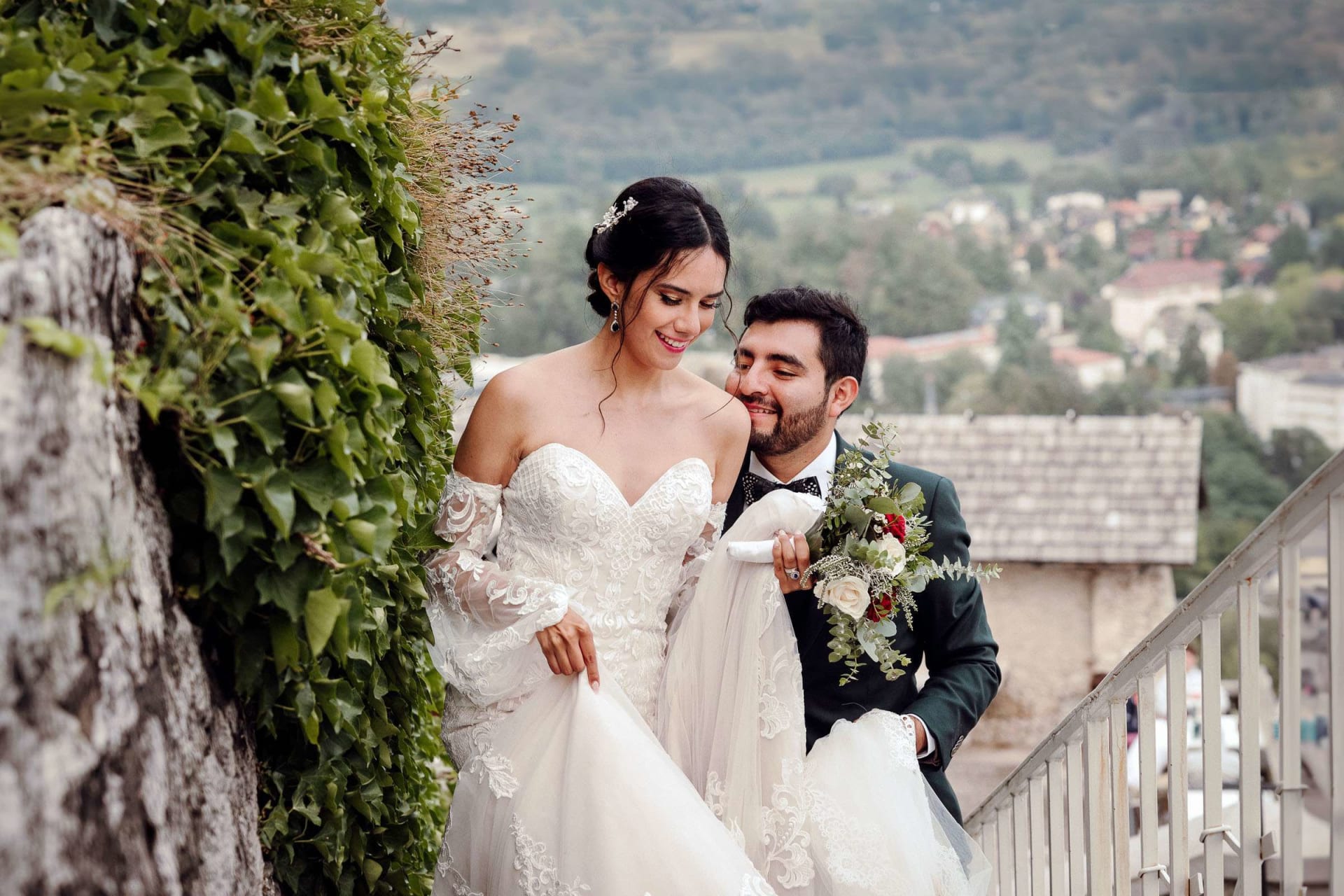
9. What happens if the weather changes?
Slovenia can be stunning in all conditions, but weather does not always follow the plan.
Rain, mist, clouds, or wind do not automatically make a wedding less beautiful. Often, they create atmosphere and depth. What matters is whether your photographer stays calm, adapts well, and continues to create with confidence.
It is worth asking how they approach weather changes and whether they can offer thoughtful alternatives if needed. The most reassuring photographers are usually the ones who do not depend on perfect weather to create strong work.
10. What should we expect after the wedding?
Before booking, it helps to understand what happens after the day itself.
Ask about delivery time, gallery format, and what the finished experience looks like. But also look beyond numbers. A strong wedding gallery is not simply a large collection of files. It should feel complete, cohesive, and emotionally true to the day.
This is another reason full galleries matter so much. They tell you not only how a photographer captures a wedding, but how they finish one.

A gentle next step
If you are planning a wedding in Slovenia and would like to see how this approach translates into a real Lake Bled wedding experience, you are very welcome to explore my work or get in touch.
Or, if you would prefer to explore first, you can view my Lake Bled wedding photographer page.