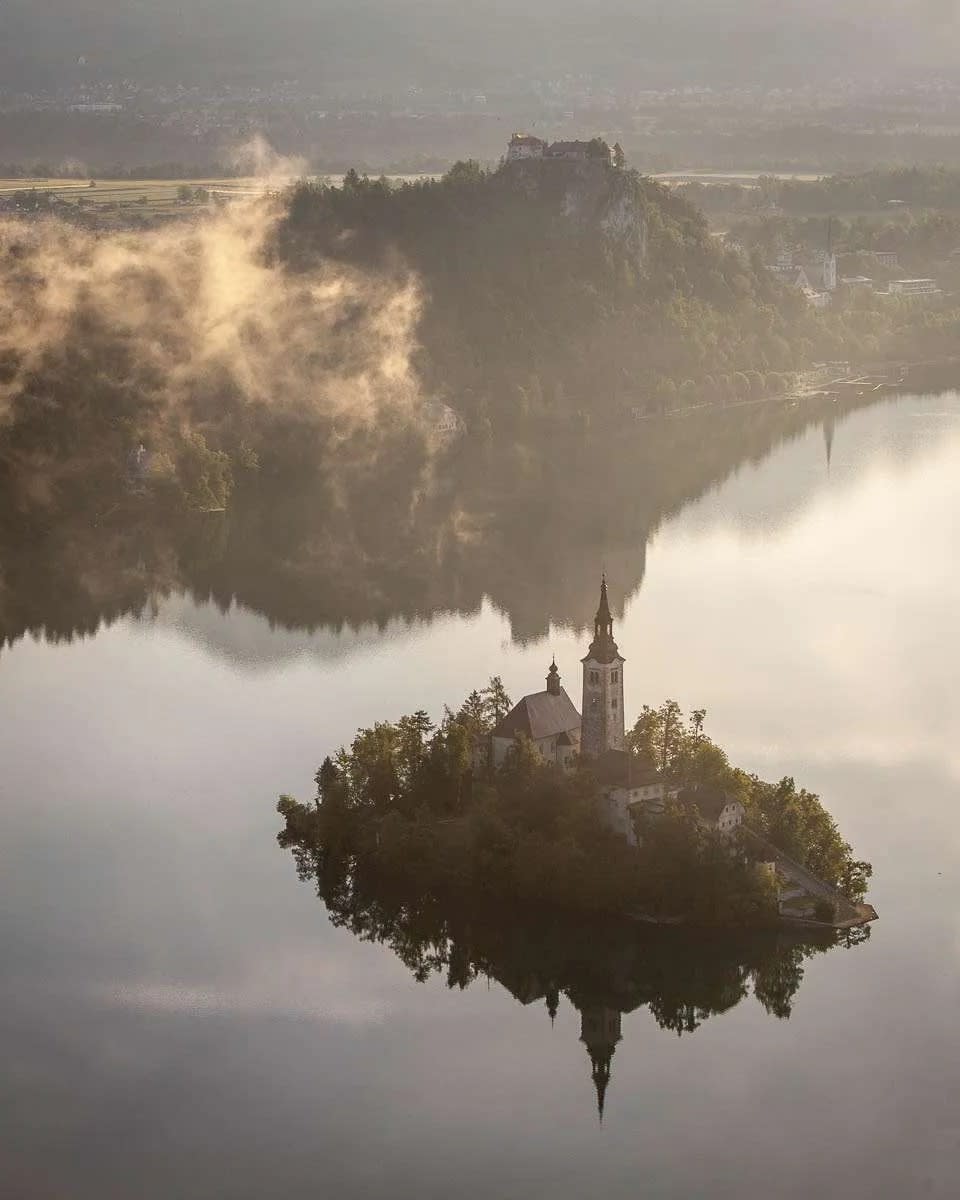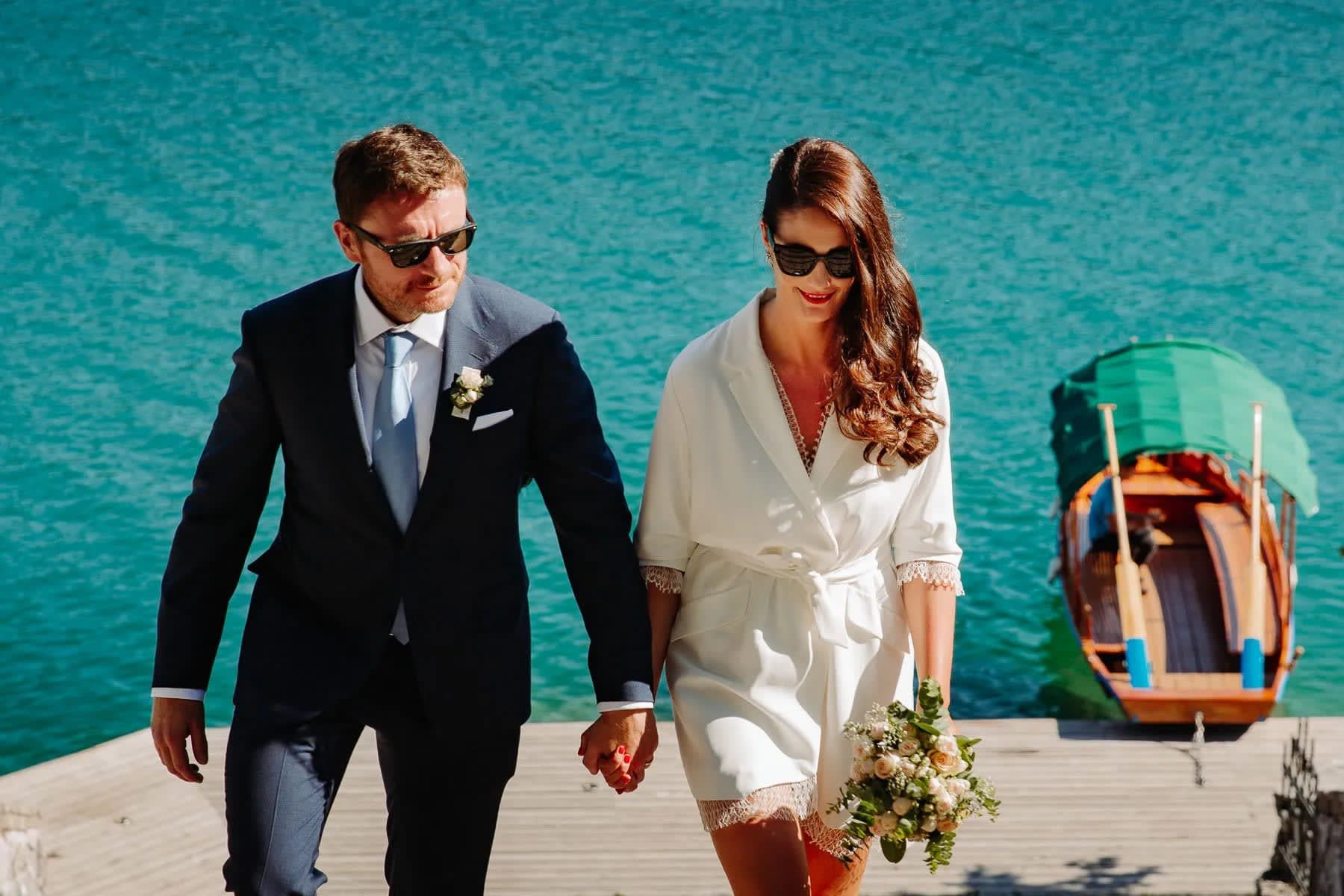
This guide is the practical companion to my main Lake Bled elopement photographer page.
It is for couples who already feel that Lake Bled is the right place for their elopement and now want clear guidance on dates, ceremony settings, legal requirements, accommodation, budget, vendors, and timeline planning.
If you are still comparing Lake Bled with quieter alpine or nature-led locations elsewhere in Slovenia, you may find my Slovenia elopement photographer page more helpful before returning to this practical Lake Bled guide.
If you love Lake Bled but are unsure whether it can feel quiet enough, you may also find this separate guide helpful: How to Make a Lake Bled Elopement Feel Private.
I'm Damian Pristov, a Lake Bled local and photographer with more than 10 years of experience here. This guide reflects what I have seen work well in real Lake Bled elopements, which planning details tend to matter most, and where couples usually benefit from clear local guidance.
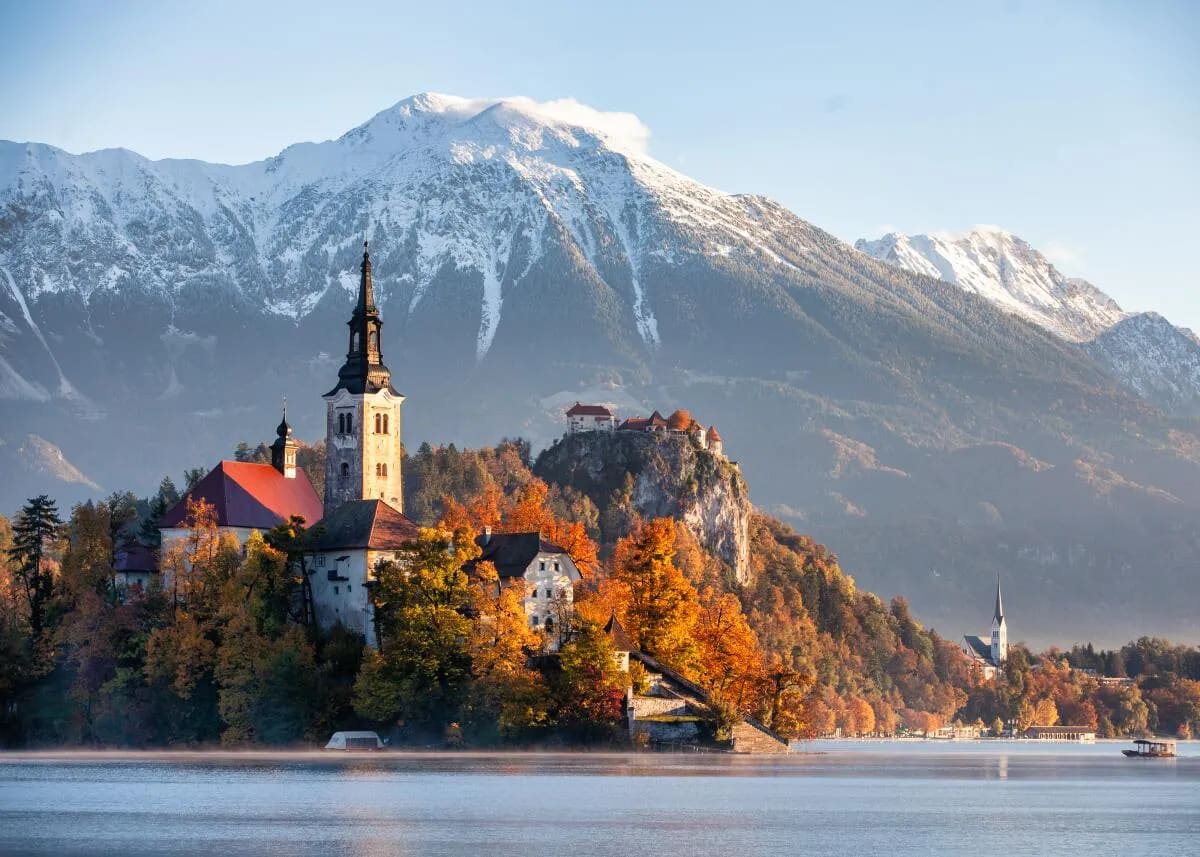
Here is the practical planning snapshot most couples need before they begin booking:
At a glance | |
Typical total budget | €2,500–€6,000+ depending on scope |
Best months | May–June and September–October |
Legal lead time | Ideally 3–6 months before the ceremony |
Average ceremony duration | 30–45 minutes |
Guest count for elopements | 2–15 people |
Distance from Ljubljana Airport | Around 30 minutes by car |
Language | Slovenian (English is widely spoken) |
Same-sex marriage | Legal in Slovenia |
This guide is intentionally practical. It focuses on the planning decisions that shape the day and help it run smoothly. For the broader picture — including locations, seasons, atmosphere, and my approach to photographing elopements here — return to the main Lake Bled elopement page.
Lake Bled Elopement vs Lake Bled Wedding
A Lake Bled elopement is usually smaller, simpler, and more personal than a traditional wedding. It may be just the two of you, or a small group of close family and friends.
A Lake Bled wedding usually involves more guests, more formal logistics, a reception, transport, seating, and a larger vendor team.
The planning decisions overlap — date, ceremony setting, legal requirements, accommodation, vendors, timeline, and photography — but the scale is different. This guide focuses mainly on elopements and intimate weddings at Lake Bled, where the experience can stay calm, personal, and relatively simple.
Table of Contents:
Step 1: Choose Your Date Carefully
Your date shapes almost everything else: the light, the feel of the lake, the availability of venues and vendors, accommodation prices, and — if you are planning a legal ceremony — the time you have for paperwork.
In most cases, May, June, September, and October offer the best overall balance. The weather is usually pleasant, the light is softer, and the atmosphere tends to feel calmer than in peak summer. July and August are still beautiful, but they are noticeably busier, so the day usually needs to be planned with a little more care.
Weekday dates are often easier than weekends, especially in the main wedding season. They can give you more flexibility with venues, vendors, light, and the overall rhythm of the day.
A few date-related details are worth checking early:
- —seasonal accommodation pricing
- —public holidays and school holidays
- —local events around Bled
- —registry availability if you are planning a legal ceremony
- —vendor availability, especially in peak wedding months
For a fuller overview of privacy, crowds, and how to make Lake Bled feel more intimate, see the separate guide: How to Make a Lake Bled Elopement Feel Private.
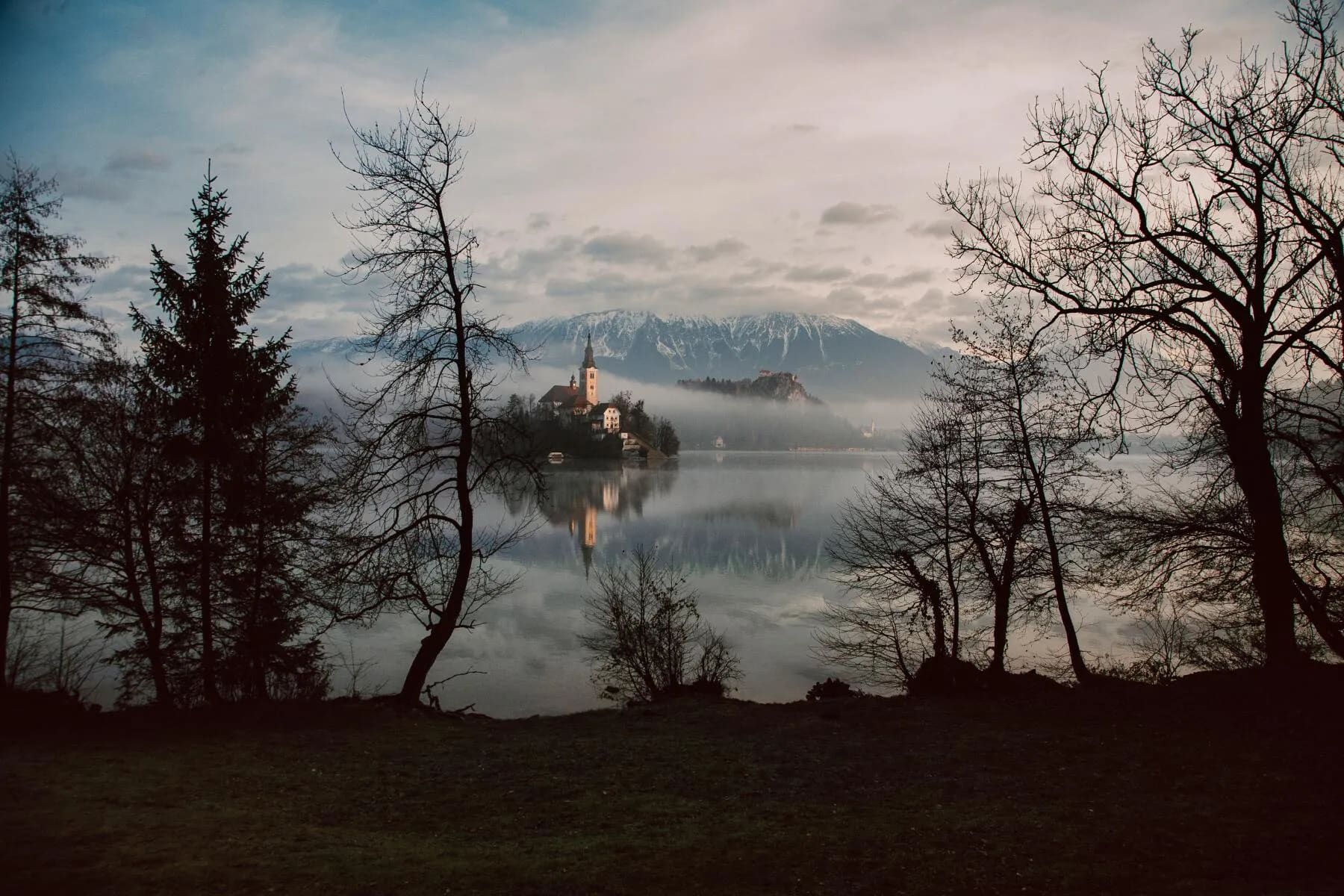
Step 2: Choose the Right Ceremony Setting
Lake Bled offers several very different ways to structure an elopement day. The right choice depends less on what is most famous, and more on what suits your ceremony type, guest count, access needs, scenery, atmosphere, and how much coordination you want.
From a practical point of view, the main differences are these:
Bled Castle
Best for couples who want a dramatic, iconic setting with architectural character and a strong sense of occasion. It is convenient, visually striking, and well suited to symbolic ceremonies or small formal gatherings. It does, however, require coordination, venue booking, entry arrangements, and awareness of visitor flow during busy months.
Bled Island
Visually unforgettable, but also one of the most logistically involved options. Access requires a boat, and ceremony possibilities are best confirmed directly with the venue or a local planner, as arrangements can vary. It is one of the most romantic settings, but it needs more planning than a simple lakeshore ceremony.
Lakeshore locations
Often the easiest option for a simple symbolic elopement. They require less coordination, no formal venue booking, and can feel natural and relaxed when timed well. They work especially well when the emphasis stays on simplicity, atmosphere, and a gentle flow rather than too much structure.
Viewpoints such as Ojstrica
These offer extraordinary scenery, but they are usually best suited to portraits, a personal vow exchange, or a symbolic moment for couples comfortable with a short hike.
For the emotional and visual character of each location — including how they feel, photograph, and compare at different times of day — visit the main Lake Bled elopement page.
From a planning perspective, ask these questions first:
- —Does this location need to be booked?
- —Is it suitable for a legal ceremony, a symbolic one, or both?
- —How practical and comfortable does it feel at the time of day you want?
- —Is it easy to access in wedding clothing?
- —Can it comfortably accommodate your guest count?
- —Will you need transport, a boat, or extra coordination?
One small detail couples often underestimate is how a location feels in wedding clothes rather than on an ordinary walk. Stairs, gravel paths, boat access, and short climbs can all feel very different once you are dressed for the day.
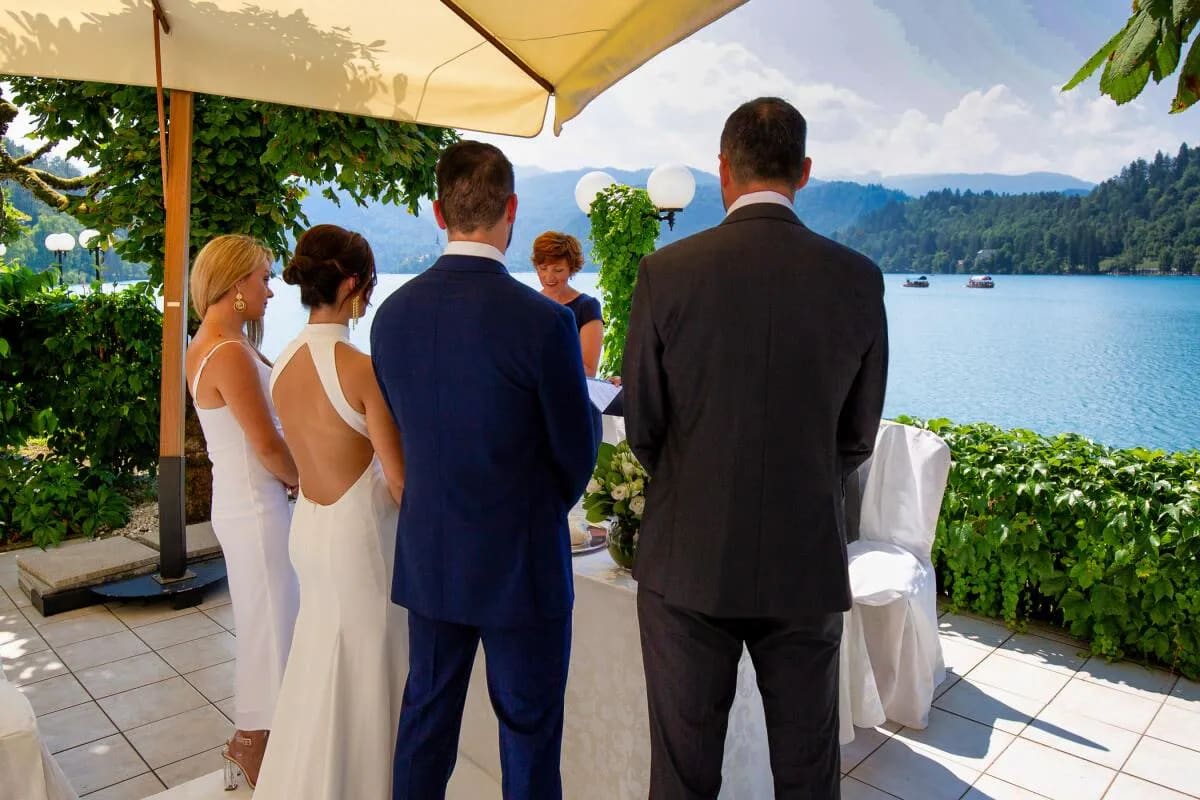
Step 3: Understand the Legal Requirements
This is the area where couples planning from abroad usually need the most clarity.
The simple version is this: getting legally married in Slovenia as a foreign national is possible, but it requires documents, certified translations, registry coordination, and enough lead time. It is very manageable when organised properly. It becomes stressful when left too late.
For this reason, many couples choose one of two routes:
- —complete the legal marriage at home and have a symbolic ceremony at Lake Bled
- —plan a legal ceremony in Slovenia with the help of a local wedding planner
What documents you may need
Requirements vary depending on nationality and personal circumstances, but couples are commonly asked for:
- —valid passports for both partners
- —original birth certificates
- —certified translations into Slovenian where required
- —a Certificate of No Impediment or equivalent document from your home country
- —if relevant, divorce decrees or death certificates from a previous marriage, with certified translation
- —the required application forms for the local registry office
Because these requirements can vary, it is wise to confirm the exact list with the registry office or your planner well in advance.
Timeline and process
Although some parts of the process can technically happen closer to the date, a realistic timeframe is usually 3 to 6 months in advance. This allows time for gathering documents, arranging translations, clarifying nationality-specific requirements, and coordinating the ceremony date.
In most cases, couples should also expect to be in Slovenia before the ceremony for final formalities.
The legal ceremony itself is usually quite concise, but I have often been surprised by how heartfelt and moving it feels in real life. Even within a formal structure, it can carry a great deal of emotion.
Many couples then choose to have a more personal symbolic vow exchange afterward, which becomes the emotional centre of the day.
Same-sex marriage in Slovenia
Same-sex marriage is legal in Slovenia. The general legal framework is the same as for any other couple, although it is still wise to confirm any nationality-specific requirements early.
Should you hire a planner for the legal process?
For a symbolic elopement, not necessarily.
For a legal ceremony, especially from abroad, I strongly recommend it. A good local planner knows the process, helps avoid mistakes, communicates with the right offices, organises translations, and reduces a great deal of uncertainty.
If you need an introduction, I am always glad to recommend trusted planners I have worked with closely.
Step 4: Build the Right Vendor Team
For a very simple symbolic elopement, your vendor team can be minimal. In some cases, a photographer, a bouquet, and perhaps a celebrant for a symbolic ceremony are genuinely enough. Some of the most meaningful elopements I have photographed were also the simplest.
Once the day includes a legal ceremony, multiple locations, floral styling, musicians, private transport, or a dinner reservation that needs coordination, the value of a good planner increases quickly.
The vendors most commonly involved in a Lake Bled elopement are:
- —photographer
- —wedding planner
- —florist
- —hair and makeup artist
- —celebrant for symbolic ceremonies
- —musician
- —transport or boat provider
The most important distinction is this:
For a simple symbolic elopement:
You can often keep things light and manageable.
For a more layered day:
A good planner becomes the person who brings clarity, structure, and calm to the whole experience.
That division is worth respecting. My role is to photograph the day well and help couples make strong decisions around light, timing, and visual flow. A planner brings together the broader logistics, vendor coordination, and structure that allow the day to feel calm and effortless.
If you are planning something simple, I am happy to recommend vendors I genuinely trust.
How Much Does a Lake Bled Elopement Cost?
The total cost of a Lake Bled elopement depends on how simple or layered the day becomes.
A very simple symbolic elopement with photography, flowers, and a small amount of planning support can stay relatively light. A legal ceremony, planner, hair and makeup, florals, transport, boat arrangements, venue fees, musicians, or a private dinner will naturally increase the total.
As a general planning range, many intimate Lake Bled elopements fall somewhere between €2,500 and €5,000+, depending on the number of guests, ceremony type, vendors, and locations involved.
The biggest cost differences usually come from:
- —whether the ceremony is symbolic or legal
- —whether a planner is involved
- —venue or terrace reservation fees
- —boat or transport arrangements
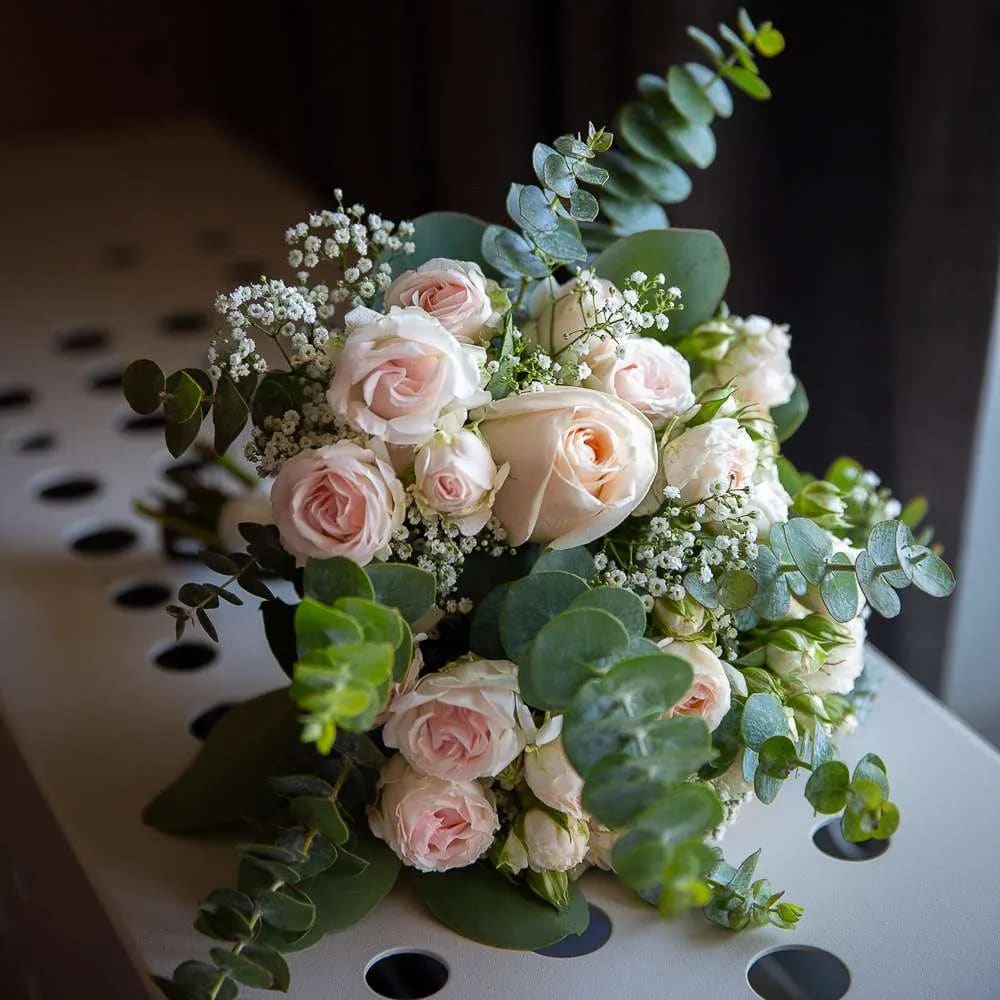
- —flowers, styling, music, hair and makeup
- —photography coverage length
- —dinner or accommodation choices
For couples planning from abroad, it is usually better to build a realistic plan first and then decide where the budget matters most.
Step 5: Choose Accommodation Thoughtfully
Accommodation affects the feel of the trip more than most couples expect.
It is not only about where you sleep. It also shapes your morning, how rushed or relaxed the day feels, how far you need to travel in wedding attire, and whether your getting-ready space is pleasant to spend time in.
Broadly speaking, there are three good approaches:
Lakeside hotels
These are ideal if you want convenience, views, and a more elevated overall experience. They tend to book early and cost more in peak months.
Smaller boutique stays or guesthouses
These often offer a calmer atmosphere and a more personal feeling, while still being close enough to the lake.
Apartments
Often the best choice for longer stays, couples travelling with a few guests, or anyone wanting more space and flexibility.
When choosing where to stay, consider:
- —distance to your ceremony location
- —quality of natural light in the room
- —enough space for getting ready comfortably
- —whether hair and makeup can happen there easily
- —parking or transport logistics
- —how calm the setting feels overall
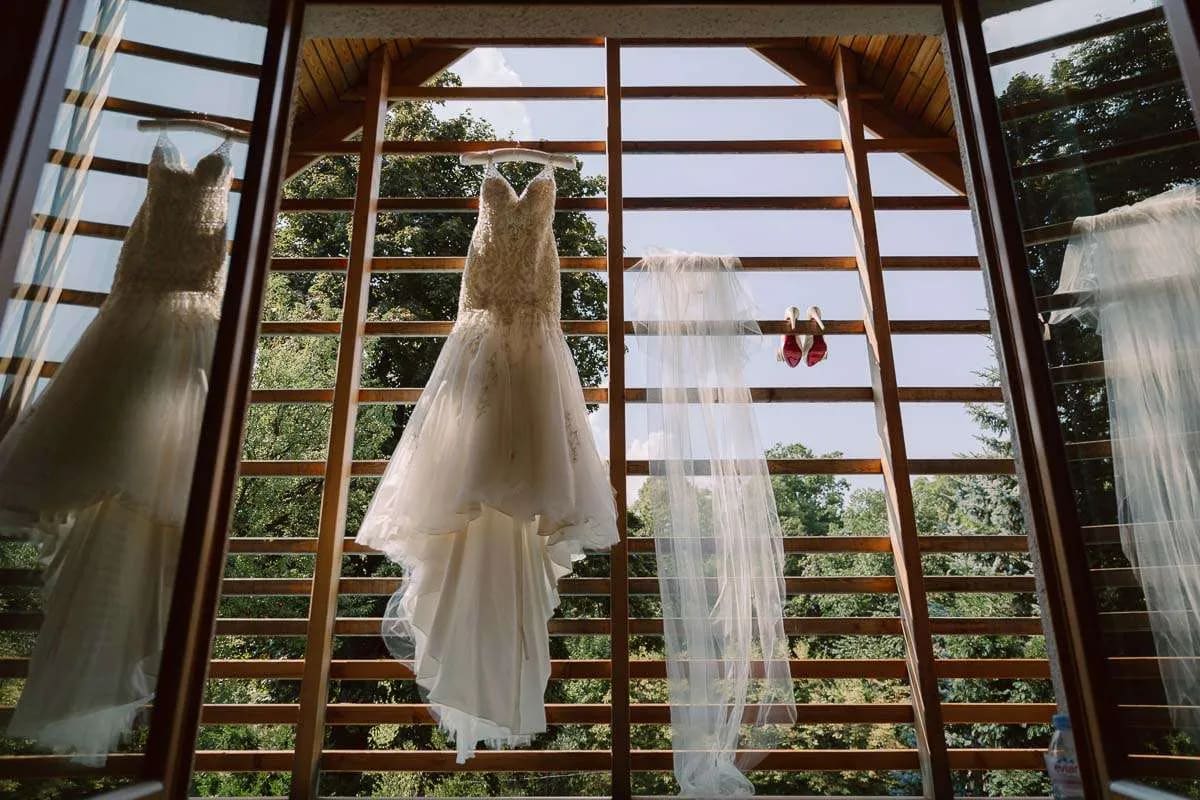
From a photographer’s perspective, the room where you get ready matters more than most couples expect. A calm space with enough natural light, enough room to move comfortably, and a visually simple setting makes the whole start of the day feel better — and photographs much better too.
I have seen beautiful mornings feel unnecessarily rushed simply because the room was too dark, too crowded, or too small for hair, makeup, luggage, and the two of you to settle into the day comfortably.
Step 6: Build a Realistic Timeline
One of the most common mistakes in elopement planning is trying to fit too much into the day.
Lake Bled is compact, but some locations still require more time than couples expect. Boats, viewpoints, parking, changing weather, walking in formal clothes, and simply taking in the day all need space.
A good timeline should feel calm, realistic, and easy to follow.
Sample timeline — symbolic elopement, just the two of you, single location:
Time | Activity |
7:00–8:00 AM | Arrival at location, quiet time, first moments together |
8:00–8:30 AM | A few relaxed portraits and settling into the atmosphere |
8:30–9:00 AM | Symbolic vow exchange |
9:00–10:30 AM | Portrait session without rushing |
10:30 AM | Finish, with the rest of the day free |
Sample timeline — small elopement with a few guests and multiple elements:
Time | Activity |
8:30 AM | Hair and makeup |
10:30 AM | Getting-ready photographs |
12:00 PM | Travel to ceremony location |
12:30 PM | Ceremony |
1:15 PM | Champagne and time with guests |
1:45–4:00 PM | Portraits and second location if planned |
Evening | Private dinner |
A few practical timing notes:
Golden hour
The period before sunset offers some of the most flattering and atmospheric light of the day. In summer, this comes quite late. In spring and autumn, it is easier to build around.
Early morning
This can be a very good option when you want softer light, a calmer atmosphere, and a more relaxed start to the day.
Travel between locations
Even short moves take time once you include parking, walking, outfit changes, boats, or simply pausing to breathe.
Boat crossings are beautiful, but they also add more than just travel time. Wind, hair, movement, and the rhythm of getting in and out all shape how the experience feels in real life.
From a photographer’s perspective, a calm timeline nearly always photographs better than an ambitious one. When couples have space to breathe, move slowly, and stay present with each other, the images naturally feel more elegant and more real.
In most cases, it is better to do fewer things well than to overfill the day.
Step 7: Plan the Wider Experience
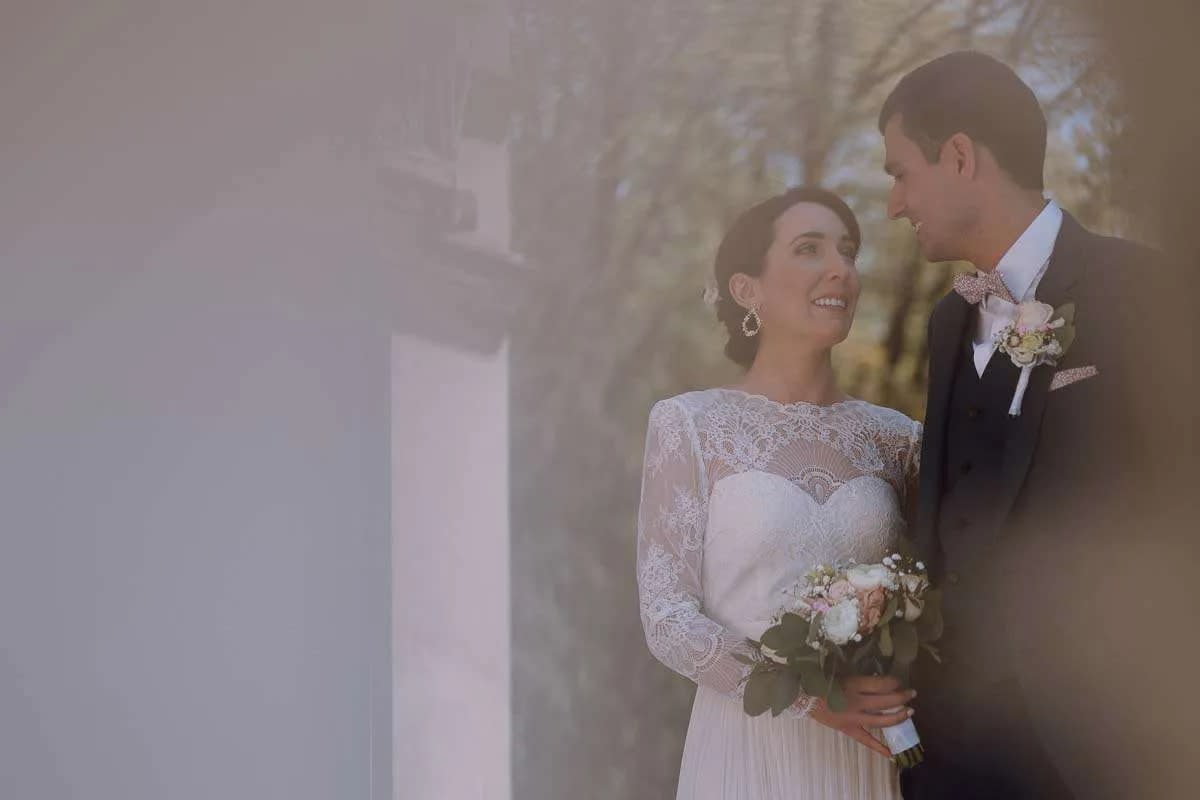
Most couples do not come to Lake Bled for just a few hours. They turn it into a short trip, and that is often part of what makes an elopement here feel so memorable.
The best approach is usually to keep the elopement day itself relatively focused, then enjoy the wider experience before or after:
- —a quiet dinner by the lake
- —a few days in a beautiful hotel
- —a slow morning after the ceremony
- —time in Ljubljana or the mountains
- —a short honeymoon-style trip through Slovenia
The key is not to put too much pressure on the wedding day to do everything at once.
If you are staying longer, I am always happy to share a few local suggestions.
Who Should Be Involved in Your Planning?
If this guide has made one distinction clear, it should be this:
For a very simple symbolic elopement, you may not need a large team. With the right location, a realistic plan, and thoughtful support from the right local professionals, the day can remain beautifully simple.
For a legal ceremony or a day with several moving parts, a planner becomes one of the most important people involved.
That does not mean the day needs to feel formal or overproduced. Quite the opposite. The right support allows it to feel calmer, more elegant, and more enjoyable.
I try to be honest about where my role begins and ends. I help couples make strong decisions around light, timing, locations, and photography. A planner takes care of the broader coordination that makes a layered day feel effortless.
Ready for the Next Step?
If this guide has helped you understand the practical side of planning a Lake Bled elopement, the next step is to think about the kind of day you want to create.
You may already know the date, ceremony type, or guest count. Or you may only know that Lake Bled feels right and you want help shaping the photography side of the day.
If you would like help with elopement photography, honest advice on timing and locations, or an introduction to a trusted local planner, feel free to reach out.
Tell me your rough date or season, your guest count, and whether you are imagining a symbolic or legal ceremony. I will gladly share what I think would work best.